The choice of an accessible sport is not limited to a list of disciplines ranked by supposed difficulty. The real question concerns the initial technical load, joint stress, and the ability to maintain regular practice without specialized supervision. Here, we address the criteria that general guides overlook, focusing on sports where the ease of entry/physiological benefit ratio is most favorable for a beginner or casual athlete.
Technical load and learning curve: the criterion that rankings ignore
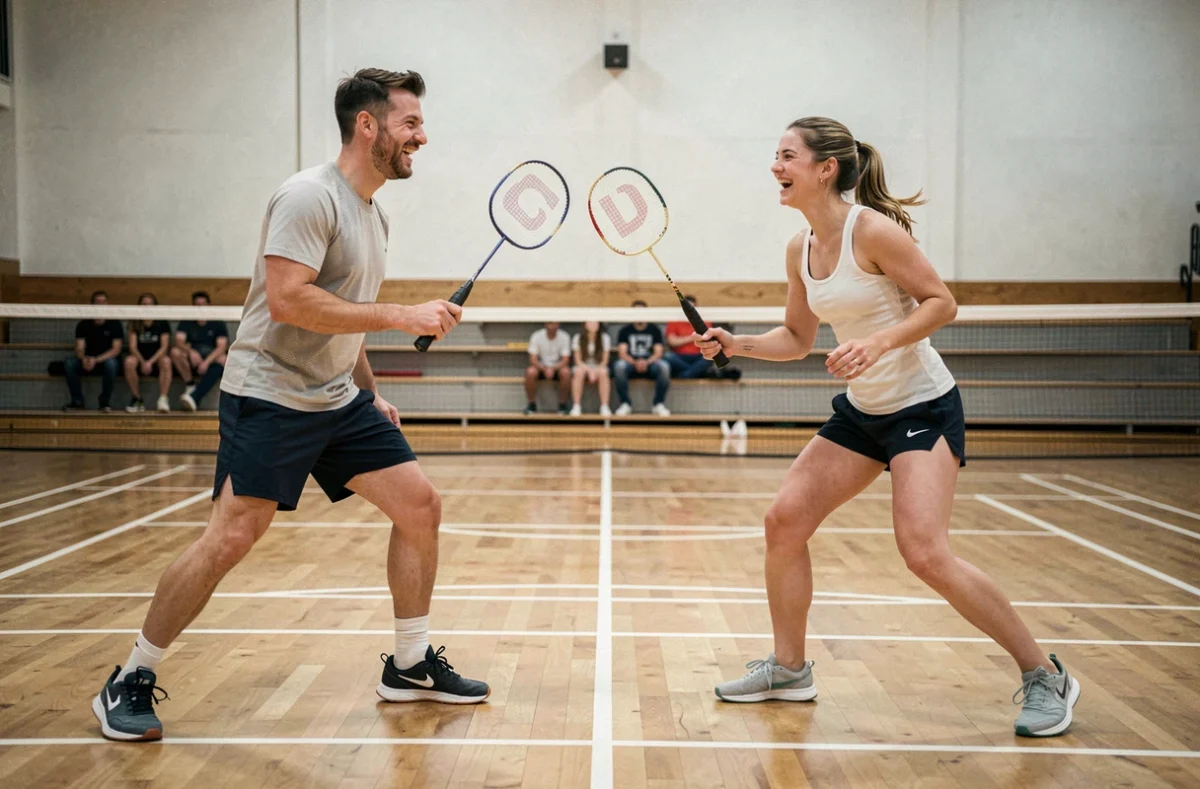
A sport labeled as “easy” may require fine motor coordination from the very first sessions. Badminton, often presented as accessible, demands precise wrist placement and trajectory reading that most beginners underestimate. In contrast, shallow water swimming with a simplified crawl mobilizes more intuitive motor patterns, provided that technical performance is not the goal.
We recommend evaluating each discipline on three axes: the number of technical gestures to master before experiencing pleasure, the average time before an independent session, and the risk of postural compensation in an unguided practitioner. On these three axes, brisk walking, leisure cycling, and swimming stand out clearly from racket sports or team activities.
For those wishing to delve deeper into this reflection on the accessibility of disciplines, it is possible to discover Le Monde du Sport and its analysis dedicated to ease of access criteria.
Swimming, leisure cycling, and brisk walking: compared biomechanical profiles
These three activities consistently appear in public health recommendations. Their common point: a low to moderate joint impact and immediate adaptability to the practitioner’s physical condition.
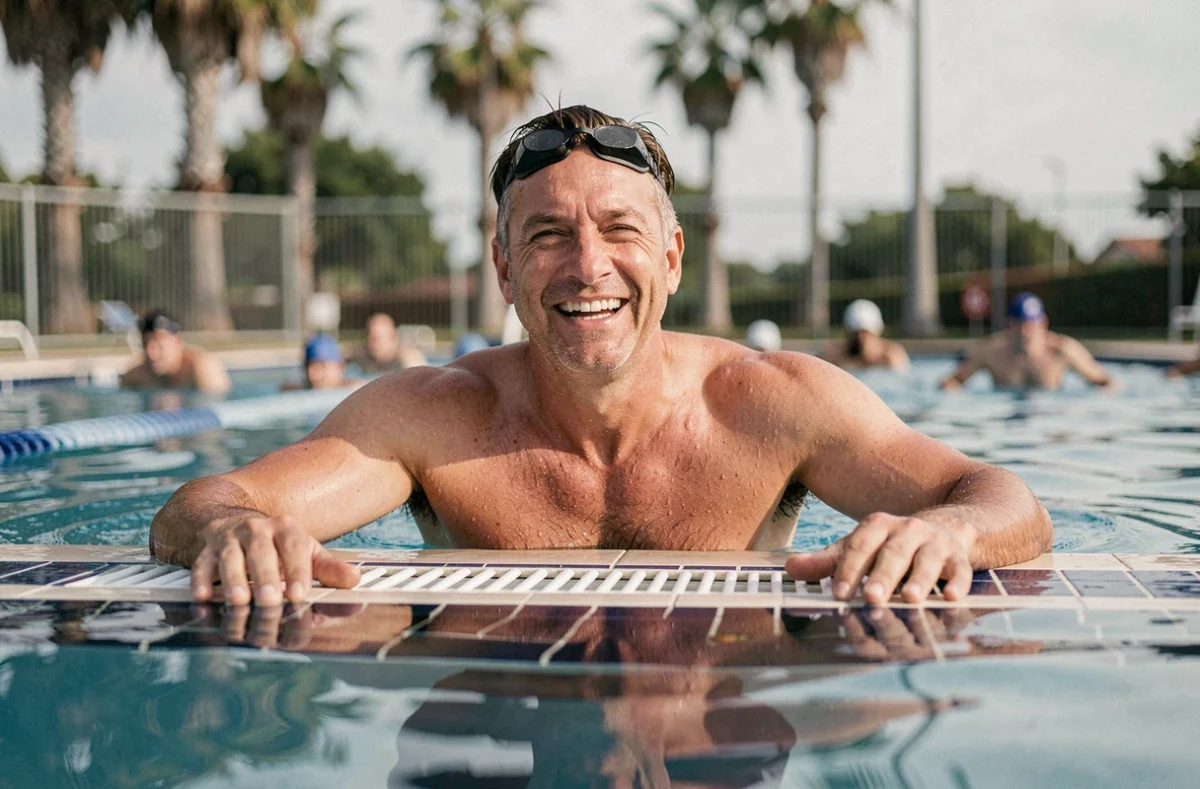
Swimming eliminates the constraint of body weight. The aquatic environment reduces compressive forces on weight-bearing joints (knees, hips, ankles). For an athlete returning after a long period of inactivity, this is a decisive advantage. The limitation: access to a pool and the necessity to master a minimum of breathing technique.
Leisure cycling, in a seated position, primarily engages the quadriceps and hamstrings in a controlled range of motion. No ground contact phase, no shock. However, poor saddle adjustment can quickly lead to lower back pain or patellar tendinopathy. The adjustment of the cockpit determines the sustainability of the practice.
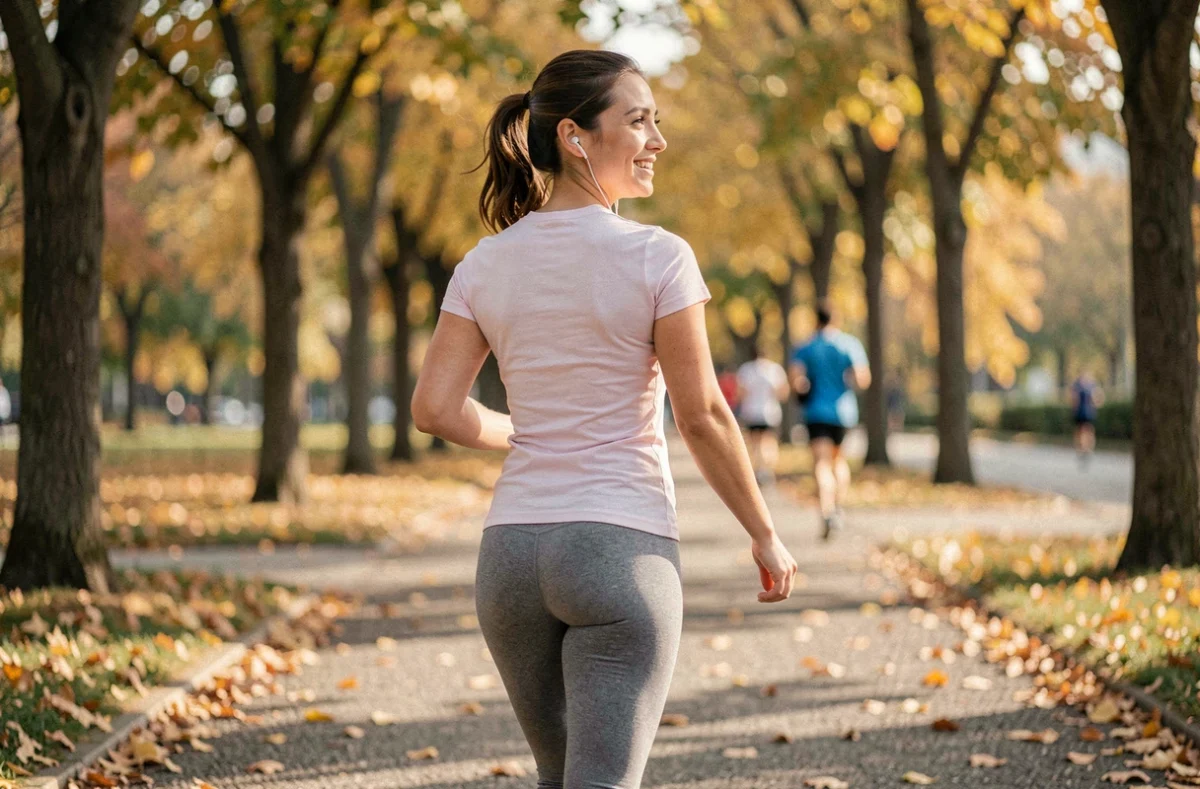
Brisk walking offers the best logistical compromise. No expensive equipment, no reservations, no prohibitive weather constraints. Recommendations associated with the PNNS and WHO also include active commuting (stairs, walking trips) in the weekly physical activity volume, making the start more gradual than joining a club.
Muscle strengthening and balance: the underestimated complementary disciplines
Current public health guidelines are no longer limited to endurance. They also include muscle strengthening at least twice a week. For older individuals, balance training becomes an additional criterion. An easy sport that only addresses the cardiovascular aspect leaves a significant blind spot.
Yoga and Pilates partially meet this need. Their learning curve is gentle if one sticks to fundamental postures. The risk: too rapid a progression to complex postures without supervision, leading to cervical or lumbar injuries.
- Beginner hatha or vinyasa yoga combines core stability, flexibility, and proprioception in a single session, with no equipment beyond a mat
- Bodyweight exercises (squats, adapted push-ups, lunges) require no prior sports technique and can be practiced indoors
- Tai chi, rarely mentioned in rankings, specifically works on dynamic balance and slow coordination, two qualities that decline early in sedentary individuals
A program that combines brisk walking and two short strengthening sessions per week covers the essential recommendations without multiplying registrations.
Adapted physical activity and Sport-Health Houses: a path that lists overlook
For beginners hindered by a chronic condition, functional limitation, or prolonged sedentariness, adapted physical activity (APA) constitutes a distinct entry point from so-called easy sports. Supervised by trained professionals, APA adjusts each session to the individual’s actual capabilities, something no online ranking can offer.
Sport-Health Houses guide individuals toward an assessment of physical condition and a personalized program. They represent a concrete link between the primary care physician and independent practice. A doctor’s prescription for APA does not automatically guarantee reimbursement by health insurance. Funding often depends on the mutual insurance, local community, or specialized structures.
This pathway deserves to be considered before randomly choosing a discipline, especially when returning to sports after several years of complete cessation.
Selection criteria for a casual athlete
The casual athlete is not seeking performance. They are looking for an activity they can resume after two weeks of interruption without starting from scratch. This criterion of reversibility of physical condition eliminates disciplines with a high technical component (racket sports, team sports with tactical patterns).
- Favor activities with cyclical gestures (walking, cycling, swimming) where motor memory is maintained even after a prolonged break
- Avoid sports where enjoyment depends on the partner’s or opponent’s level, which can quickly lead to frustration for an irregular practitioner
- Check the actual logistical constraints: distance from the practice location, recurring costs, time slots compatible with a non-sporting schedule
The easiest discipline remains the one that the practitioner is willing to repeat. A technically simple sport but logistically demanding will be abandoned more quickly than a slightly more demanding activity that can be practiced right outside their home. Regularity depends more on logistics than on technical difficulty.