The Belgian fashion market represents over 11 billion euros, and consumers spend on average more than their European neighbors on clothing. In this context, choosing a clothing store in Belgium is no longer just about comparing prices or brands. Selection criteria are shifting towards the transparency of practices, the local grounding of brands, and a store’s ability to offer more than just simple shelving.
Fashion boutiques in Belgium: the “Belgian brand” criterion weighs more than before
The “Belgian label” positioning is gaining ground as a purchasing argument. Consumers are increasingly explicitly seeking national designers and labels, not just international brands established in the territory. This trend goes beyond simple economic patriotism.
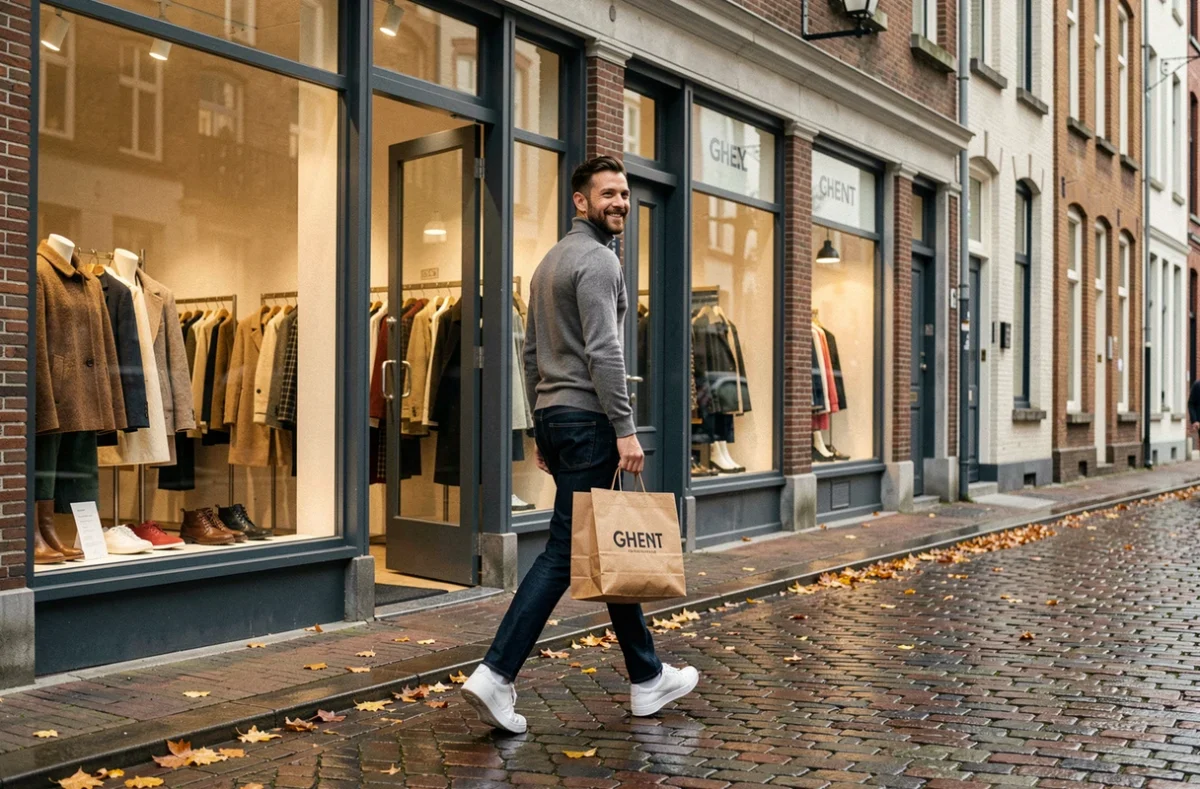
Antwerp remains the reference point for Belgian fashion brands thanks to its historical ecosystem linked to the Royal Academy of Fine Arts. Brussels, on the other hand, concentrates a more eclectic offer where young designers, multi-brand boutiques, and concept stores coexist. When looking for a clothing store in Belgium, cross-referencing the information available on fashionstores.be with local recommendations helps identify points of sale that truly highlight Belgian craftsmanship.
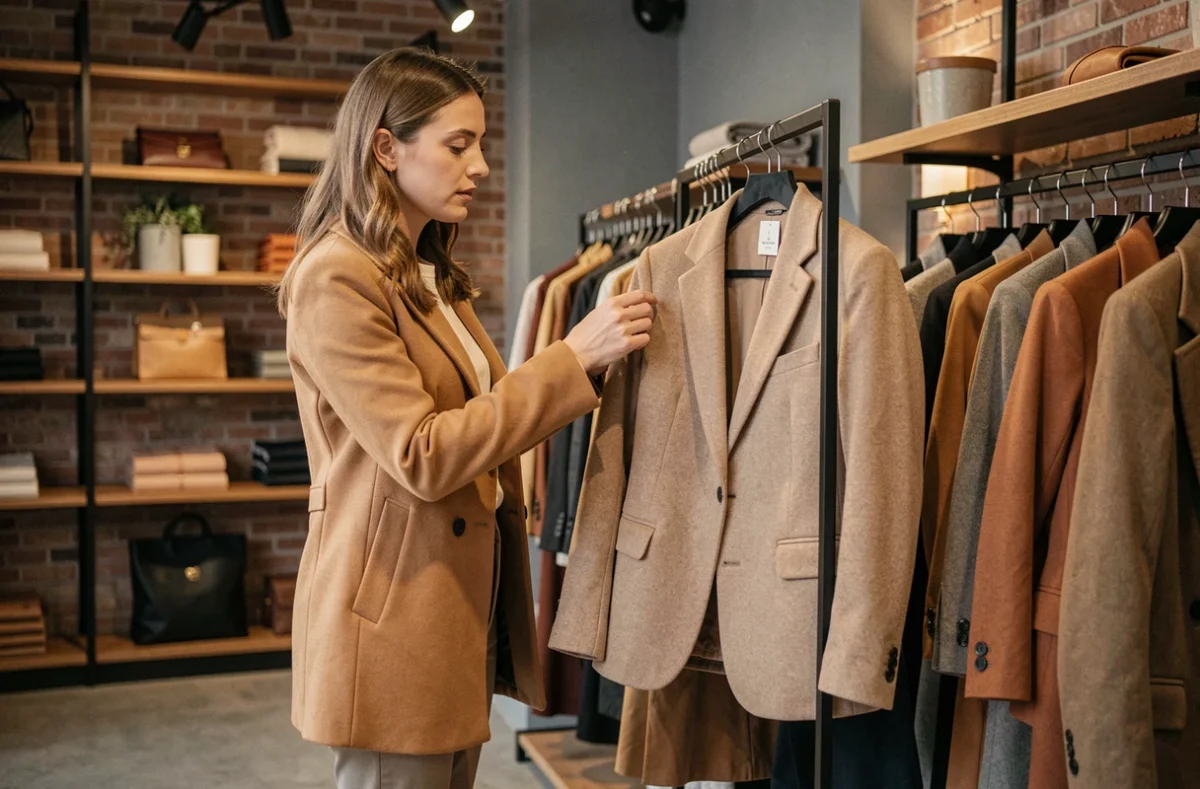
What distinguishes a “necessary” boutique from a simple reseller is curation. Stores that select their pieces based on criteria of cut, material, and identity stand out clearly from shops that pile collections without a guiding principle.
Sustainable fashion and second-hand: what Belgian boutiques concretely offer
The rise of second-hand and upcycling in Belgian fashion is no longer anecdotal. Brussels and Antwerp are home to a growing number of boutiques that integrate circularity into their model, whether through a section dedicated to second-hand pieces or collections made from recycled materials.
Field reports vary on this point: some brands showcase a “responsible” window that is limited to a marginal capsule, while others have restructured their entire supply chain. To distinguish between the two, three concrete criteria should be checked before entering:
- The actual share of durable or second-hand pieces in the total assortment, not just in communication
- The traceability displayed on labels or in-store (origin of fabrics, place of manufacture, certifications)
- The existence of a take-back or repair program for sold garments
An “eco-responsible” section isolated in a conventional store is not enough to qualify a boutique as sustainable. The focus is on the consistency between the discourse and the actual offer on the shelves.
Concept store and experiential boutique: beyond just buying clothes
The concepts of hybrid stores are progressing in Belgian retail. Several boutiques are betting on spaces that combine shopping, cafes, events, or editorial selection to differentiate themselves from online shopping and traditional shopping malls.
This model responds to a simple observation: buying a garment online has become so seamless that the physical store must justify the trip. The in-store experience is becoming a selection criterion as much as the product itself.
What characterizes experiential boutiques in Belgium
The format varies, but several elements recur. Some concept stores integrate a gallery or a temporary exhibition space. Others organize collection presentations with the designers present. The common thread remains the desire to create a connection between the customer and the brand’s universe, not just to sell a piece.
The available data does not allow for a conclusion on the superior profitability of this model compared to traditional boutiques. However, stores that invest in customer experience generally show stronger loyalty, which matters in a market where foot traffic in physical stores remains under pressure.
Fashion trends 2024 in Belgium: how to filter boutiques according to your style
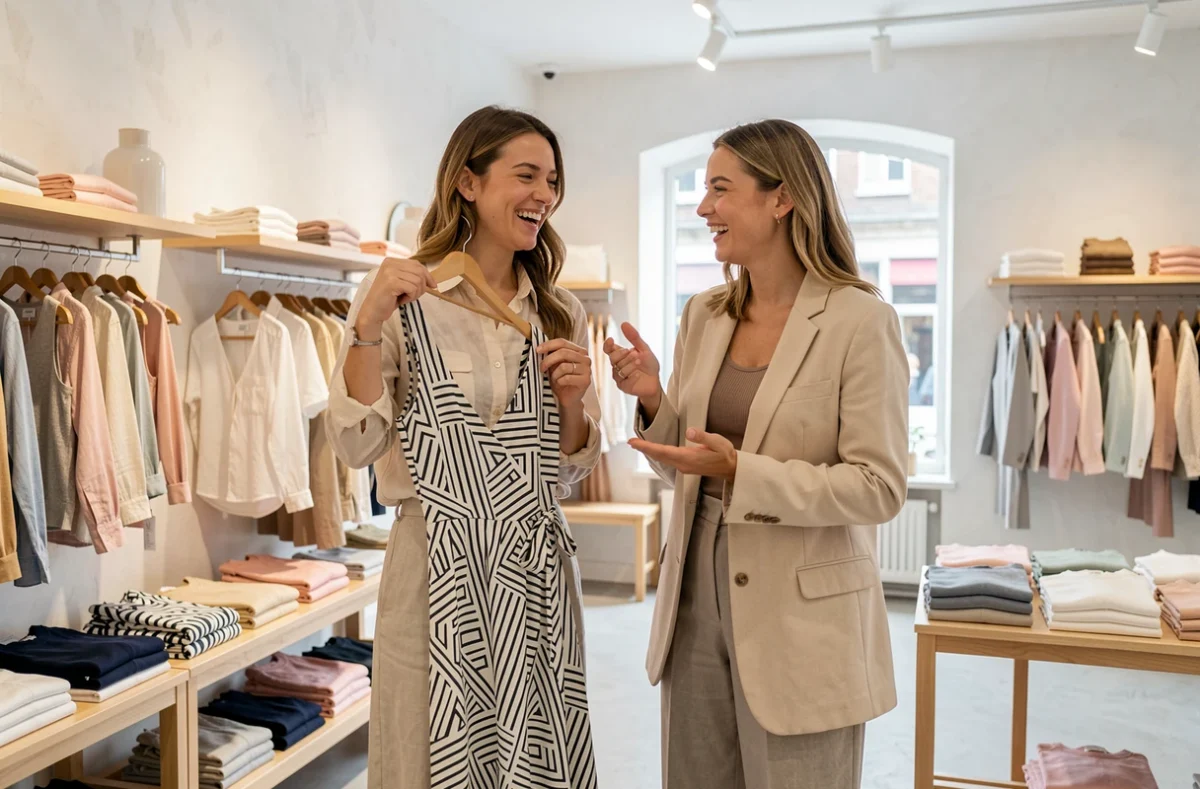
Seasonal fashion trends (colors, cuts, patterns) change, but the method for spotting a good boutique remains stable. Rather than chasing every micro-trend, it is more effective to consider personal style and seek out stores that align with it.
- For a look focused on timeless pieces and quality basics, prioritize boutiques that rarely renew their offer but focus on durable materials and classic cuts
- For a more assertive style with designer pieces, target independent multi-brand stores that do editorial selection work
- To integrate seasonal trends (patterns, accessories, autumn colors, for example) without renewing your entire wardrobe, look for boutiques that offer supplementary pieces at low prices or targeted accessories
The quality of materials and the cut remain the two most reliable criteria for evaluating a boutique, regardless of price positioning. Belgian consumers are particularly attentive to this, which partly explains their annual spending being higher than the European average on clothing.
The trap of boutiques that follow all trends
A boutique that simultaneously showcases all current trends without a coherent style is rarely a good sign. This type of assortment often reflects opportunistic sourcing rather than a true editorial line. A tight selection around a clear identity is a better indicator of reliability than a plethora of offerings.
The Belgian fashion market, due to its size and the purchasing power of its consumers, attracts both international brands and local designers. This density of offer makes sorting all the more necessary. The boutique that deserves the trip is the one that embraces a positioning, translates it into its selection, and maintains it over time, regardless of trend cycles.