A short night, a busy day, a meal eaten between meetings: these small imbalances quietly add up. A survey by OpinionWay for the French National Institute of Sleep and Vigilance, published in March 2026, confirms that French adults still get less sleep on average than international recommendations advise, and that sleep disorders are common.
This raises a direct question: what practical steps can you take to look after your well-being naturally, and when are those steps no longer enough?
Sleep and emotional regulation: an underestimated connection
Have you ever noticed that after a bad night, the slightest annoyance feels overwhelming? That’s no coincidence. Lack of sleep undermines emotional regulation, creating a vicious cycle: stress makes it harder to sleep, and a lack of rest amplifies stress.
Improving your sleep doesn’t mean transforming your daily routine. Three adjustments can produce measurable results within a few weeks:
- Set a consistent bedtime, including on weekends, to keep your body clock in sync.
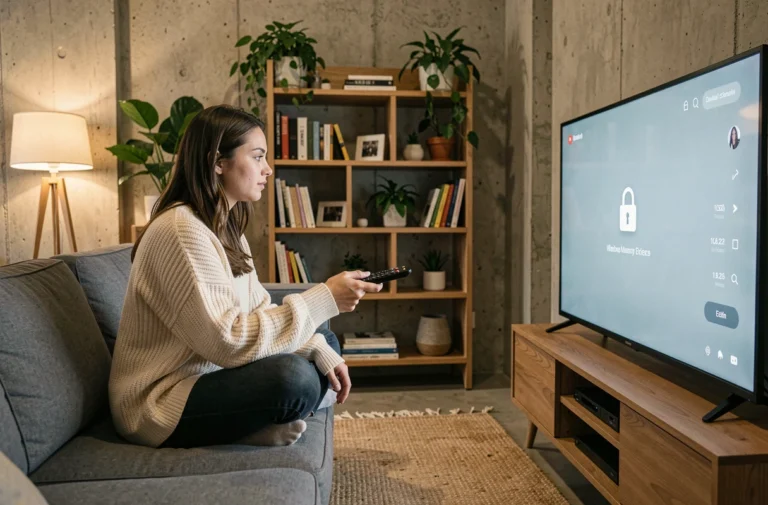
- Turn off bright screens at least thirty minutes before bed, as blue light delays melatonin secretion.
- Lower your bedroom temperature to around 18 °C, an often-overlooked factor that makes it easier to fall asleep.
These simple guidelines act as a signal to the brain: it’s time to slow down. If you’d like to explore the topic further, you’ll find practical tips on well-being on Miss Marion, including ideas for evening routines.

Everyday physical activity: why exercise isn’t the only option
The WHO reminds us that all physical activity counts, not just structured exercise. Walking to work, taking the stairs, gardening or vacuuming: these activities get your body moving and contribute to your overall well-being.
This is good news for people who can’t or don’t want to take up a sport. Thirty minutes of brisk walking spread throughout the day is enough to activate the physiological processes involved in reducing stress.
A simple principle: move often rather than for longer
The WHO emphasizes that doing a little is better than doing nothing. In practical terms, three short ten-minute walks are just as beneficial as one thirty-minute session. Breaking it up like this fits into any schedule.
The goal is consistency, not performance. A body that moves every day sleeps better, digests better and handles tension better. Physical activity acts as a natural mood regulator, without side effects.
Natural dietary supplements: the precautions no one explains in detail
When faced with stress or fatigue, many people turn to herbal supplements. Ashwagandha, magnesium and St. John’s wort are among the most popular. Their “natural” image can be reassuring, but natural doesn’t mean risk-free.
ANSES advises certain people to avoid ashwagandha: those with thyroid, liver or heart conditions, pregnant women and people taking sedatives. St. John’s wort, meanwhile, can reduce the effectiveness of common medications, including hormonal contraceptives.
Separating marketing claims from evidence of effectiveness
Health claims on dietary supplements are regulated, but an authorized claim is not proof of clinical effectiveness. Many claims about plants are still awaiting definitive scientific validation.
Before buying a supplement, take these two steps to protect your health:
- Check that the product doesn’t contain anything that could interact with a medication you’re taking (ask your pharmacist).
- Distinguish between what the packaging promises and what studies actually confirm by consulting independent sources such as ANSES.

When natural wellness practices are no longer enough: recognizing the warning signs
Meditation, breathing exercises, a balanced diet and good sleep habits provide a solid foundation. But they have their limits. Ongoing distress despite a healthy lifestyle deserves professional advice.
Here are some warning signs to look out for:
- A sleep problem that has lasted more than three weeks despite making adjustments.
- Sadness or anxiety that doesn’t ease, even with physical activity and rest.
- Recurring physical pain (headaches, muscle tension) with no identified medical cause.
- Gradual social withdrawal or losing interest in activities you usually enjoy.
Seeking help isn’t a failure
Mental health care often starts with your primary care doctor, who can refer you to a psychologist or psychiatrist depending on your needs. In recent years, programs have made psychological consultations easier to access, including for young adults.
Waiting for things to get worse can make treatment take longer. Asking for help early can shorten the path to a calmer everyday life.
Breathing and meditation: practical tools, not vague concepts
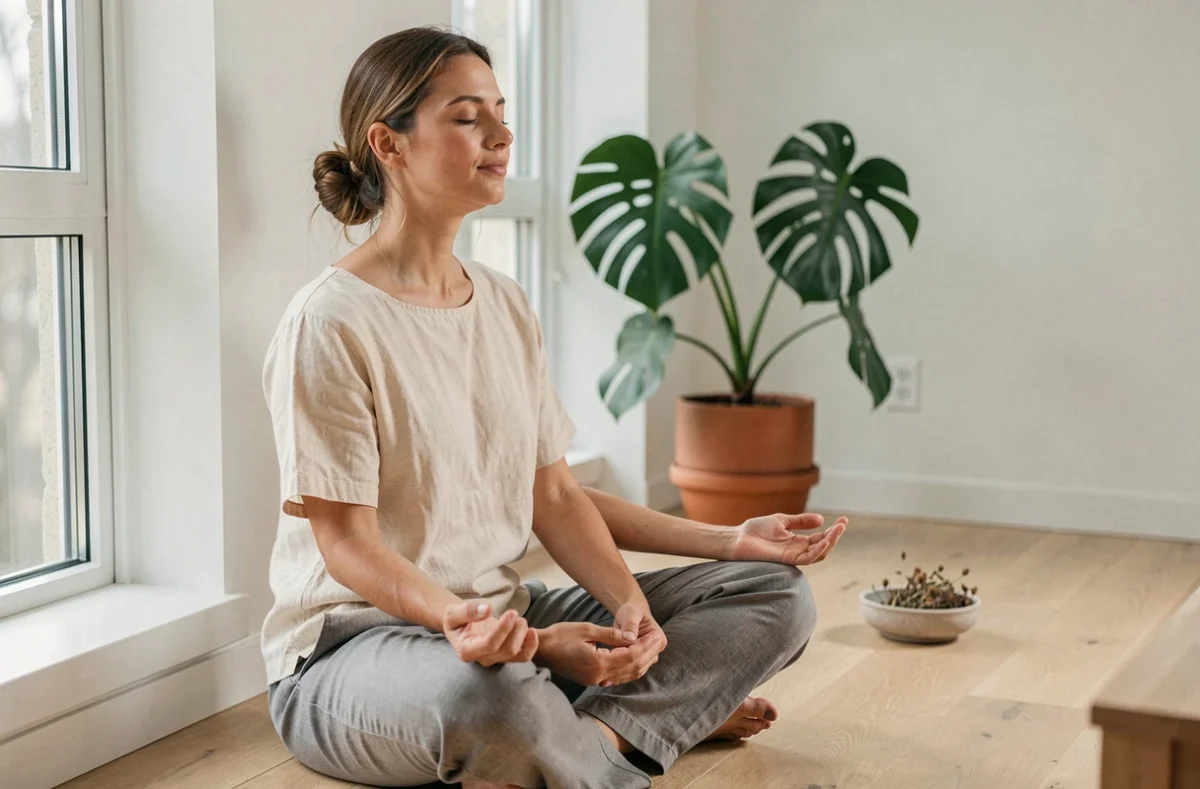
Meditation is one of the most frequently cited practices for reducing stress. Its effectiveness relies on a specific mechanism: by bringing your attention back to your breath, it interrupts anxious thought loops.
You don’t need to spend thirty minutes sitting in the lotus position. Five minutes of slow breathing (inhale for four counts, exhale for six) activates the parasympathetic nervous system, which slows your heart rate.
Consistency matters more than duration: five minutes every morning can have a greater effect than a long session now and then. As with physical activity, daily repetition turns an exercise into a habit, and eventually into a calming reflex.
A calmer everyday life doesn’t depend on one miracle practice, but on combining several simple habits: getting enough sleep, moving regularly, choosing supplements carefully, and accepting that a health professional may need to step in when your body or mind sends persistent warning signs. Natural well-being starts with this clear-eyed approach.