150 minutes. This is the threshold that the Ministry of Health sets as a benchmark each week for moderate physical activity. Yet, less than one in two adults crosses this line. We know that moving regularly protects against diabetes, hypertension, anxiety, and provides an undeniable boost to concentration and sleep. However, not everyone reacts the same way to exercise, depending on age, initial fitness level, or personal preferences; some sports stand out as accessible and remarkably effective.
Adjusting one’s practice is sometimes just a matter of dosage, intensity, or variety. Alternating collective efforts and individual disciplines, changing the pace or time slot: everyone composes their own score based on their desires, level, and current fatigue.
Which sports to choose according to age and goals?
The choice of the ideal discipline depends on one’s desires, physical abilities, and available time. Walking, a safe bet for all ages, strengthens the heart and offers a real breath of fresh air, whether one is in the city or on the trails. Hiking brings a spirit of camaraderie and invites exploration with others, while engaging the back and legs.
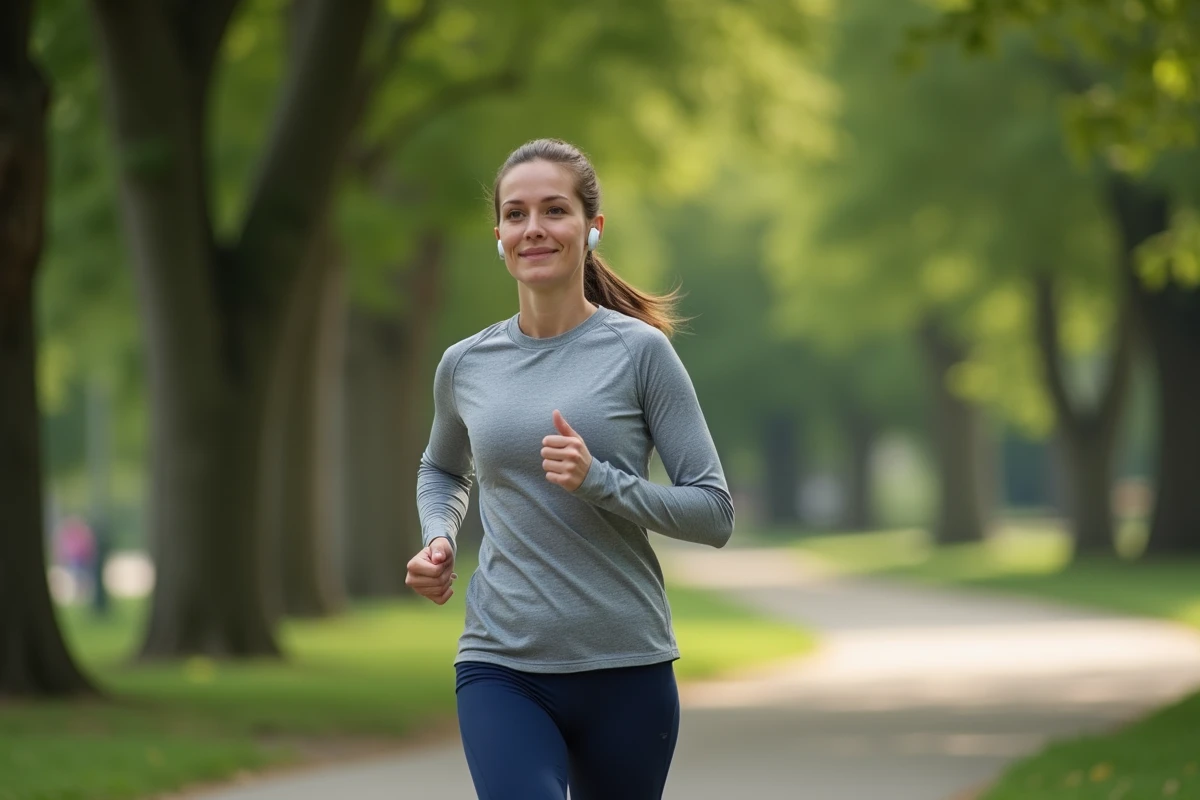
For those looking to gain vitality and calm their minds, running stands out as a reliable ally. It improves longevity, channels stress, and can be practiced at all levels, from beginner joggers to marathon runners. When joints express discomfort, it’s better to invest in cycling or swimming to protect the knees while maintaining endurance. Aquagym, gentle in nature, is particularly popular among seniors and for any gradual return to fitness.
Many lean towards gentler practices: yoga, pilates, or tai chi, which promote flexibility and balance while combating blood pressure and cardiovascular risks. Conversely, younger individuals attracted to body transformation and the thrill of challenge may prefer weight training or interval training like HIIT to work on strength and stamina.
Changing disciplines throughout the year helps maintain motivation and enrich one’s sports experience. To navigate between different practices and find the one that suits you, exploring the Y a du Sport website is a clear and inspiring resource for all profiles and desires.
Essential activities to boost fitness all year round
To stay fit throughout the year, the key lies in alternating and complementing activities. Practicing fitness means opting for overall progression: strengthened muscles, improved cardio, developed flexibility. Whether at home or in a gym, everyone finds their niche among stretching, dynamic circuits, or cardio training sessions. As for dance, it challenges coordination and musculature while providing a burst of enthusiasm with each session.
Team sports like football, basketball, and futsal cultivate cohesion, technique, and endurance. Those seeking intense training can turn to cross-training, a mix of cardio and strength training, particularly effective in short sessions.
To broaden the range of sessions and explore other avenues, here’s a list of varied activities worth trying:
- Climbing: engages strength, flexibility, and skill.
- Rowing: mobilizes arms and legs, developing overall coordination.
- Cross-country skiing: a complete endurance sport, perfect for winter.
- Jump rope: boosts cardio, strengthens legs, and promotes energy expenditure.
Dance and aerial yoga focus on flexibility and letting go. Lovers of wide-open spaces no longer hesitate to hop on a paddleboard, lace up rollerblades, or engage in plogging, which combines running and picking up litter. For variety, why not also consider the elliptical bike or fun sports like badminton? These practices stimulate endurance and maintain activity over time.
Integrating sport into daily life: simple tips to stay motivated
Regularity is the best ally for staying on track. There’s no need to overhaul your entire schedule: you can choose to walk or bike for your commutes, indulge in some morning stretches, or incorporate a short yoga or weight training session between activities. Every movement counts, and it’s the repetition that makes the difference. The World Health Organization reminds us: an active lifestyle prevents overweight, chronic diseases, loss of mobility, and persistent fatigue.
Setting a date with yourself, whether at a fixed time or as per availability, helps establish a lasting routine. Prioritizing enjoyment and setting performance aside: exercise should first and foremost align with your desires. Alternating disciplines (endurance with walking, running, or cycling, and relaxing activities like yoga or pilates) balances effort and rejuvenation.
The collective momentum is also a driving force. Joining an activity offered by associations, participating in solidarity challenges, or joining a group boosts the desire to move and creates connections. To share, exchange, and progress, the social aspect of sport is a definite plus.
To maintain motivation over the months, several strategies have proven effective:
- Set flexible goals that can adapt to your progress.
- Focus on consistency, even if the intensity fluctuates.
- Recognize every small progress as a source of satisfaction.
Ultimately, choosing an appropriate activity makes a difference: better sleep, reduced stress, and over time, a feeling of well-being. When the excitement of the collective and personal achievement unite, it’s hard to lose the desire to move forward. By the end of the year, looking back reveals a journey that is as surprising as it is motivating to continue.